
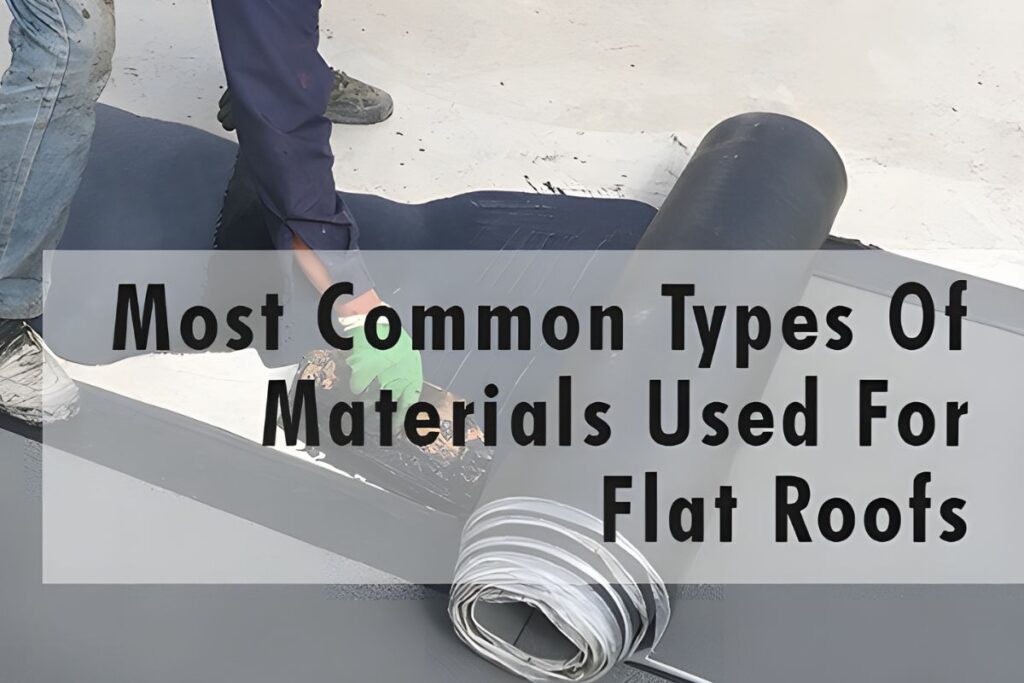
Most building owners don’t know how important it is to choose the proper type of business flat roof. In Nevada, where the sun is strong and storms sometimes happen, an improper roofing system can cause repairs to happen again and over again, raise energy expenses, and shorten the life of the roof. This article lists the most prevalent types of commercial flat roofing materials and their advantages and cons. This will help you make a smart, cost-effective choice.
The global roofing materials market is expected to reach $185.92 billion by 2032, which means that there are more and more choices. However, not all of them work well in Las Vegas. Below is a concise, useful summary of the sorts of commercial flat roofs we install most often in Nevada and what really works for long-term durability.
Why Flat Roofs Dominate Nevada’s Commercial Landscape
About 85% of commercial buildings in cities have flat roofs. There are some good reasons to go to Las Vegas:
Cost Efficiency: Flat roofs use less material and take less work to put up than pitched roofs, which usually saves 30–40% on the original cost.
Usable Space: That “wasted” roof space can be turned into valuable property for HVAC units, solar panels, or even rooftop terraces.
Easier Maintenance: When your roof is basically a giant horizontal surface, inspections and repairs are safer and simpler.
Perfect for Expansion: Adding equipment or making modifications is far easier on a flat surface.
“Flat” roofs aren’t really flat. For water to drain, they need to have at least a little slope, usually 1/4 inch each foot. In Las Vegas, where we sometimes experience heavy monsoon rains, good drainage is a must.
The Most Common Commercial Flat Roof Types
1. Single-ply membranes (TPO, PVC, EPDM)
- What they are: Factory-made sheets that are adhered, mechanically fastened, or ballasted.
- Common variants: TPO (thermoplastic polyolefin), PVC, and EPDM (rubber).
- Why they’re popular: They are light, easy to install, and come with substantial warranties. TPO and PVC are reflective (which is good for cool roofs) and are used a lot in southern areas.
- Lifespan: 20–30 years (varies by material and installation quality).
- Best for: Low-slope warehouses, retail, and office buildings in hot climates.
- Notes: TPO has a big portion of the market (around 40% of new installations and 30% of reroofing projects across the country, according to industry surveys). EPDM is still a good choice if you need something that will last a long time or withstand chemicals.
- Cost Range: $4.50-$7.50 per square foot installed
2. Modified bitumen (Mod-Bit)
- What it is: Asphalt-based sheets modified with polymers (SBS or APP) and often applied in 2+ plies.
- Pros: Good puncture resistance, relatively easy repairs, available as torch-applied or cold-adhesive systems.
- Lifespan: 15–25 years.
- Best for: Roofs with moderate foot traffic and where a robust, flexible membrane is desired.
- Notes: Offers good UV resistance with reflective cap sheets; installation methods (hot mop vs torch) need experienced crews.
- Cost Range: $3.50-$6.00 per square foot installed
3. Built-Up Roofing (BUR)
- What it is: Traditional “tar and gravel” multi-ply asphalt system.
- Pros: Time-tested durability, excellent redundancy (multiple layers), fire and puncture resistance.
- Lifespan: 20–30+ years with proper maintenance.
- Best for: Large flat roofs where heavy protection and longevity are priorities.
- Notes: Heavier install process and more labor-intensive, but excellent track record.
- Cost Range: $3.00-$5.50 per square foot installed
4. Metal low-slope systems
- What it is: Metal panels, standing seam designs adapted for low slope.
- Pros: Extremely long life (40–70 years for some metals), reflective, fire-resistant.
- Lifespan: 30–50+ years, depending on material and finish.
- Best for: Buildings needing a long-term, low-maintenance roof; also good for retrofit where a pitched appearance is possible.
- Notes: Higher upfront cost, potential noise concerns without proper underlayment.
- Cost Range: $7.00-$12.00 per square foot installed
5. Spray polyurethane foam (SPF) / Foam roofing
- What it is: Foam sprayed on the roof deck, then coated with a protective elastomeric coating.
- Pros: Seamless, adds insulation R-value, shapes to complex surfaces.
- Lifespan: 20–30 years with regular recoat cycles.
- Best for: Irregular roofs, systems needing improved insulation, and seamless waterproofing.
- Notes: Requires periodic recoating; excellent for continuous insulation in Nevada heat.
6. Liquid-applied membranes & coatings
- What it is: Seamless liquid that cures into a waterproof membrane (silicone, acrylic, polyurethane).
- Pros: Can be applied over existing substrates, seamless detailing around flashings.
- Lifespan: 10–20+ years, depending on product; recoat schedule often required.
- Best for: Restoration projects, roofs with many penetrations, or low-traffic roofs.
- Notes: Silicone coatings perform well in ponding water conditions.
7. Vegetative (green) roofs
- What it is: A Growing medium and plantings placed over a waterproof membrane.
- Pros: Stormwater retention, energy savings, urban heat island mitigation.
- Lifespan: Depends on waterproofing; base membrane must be high quality — structure must support the weight.
- Best for: Buildings pursuing sustainability goals and able to support an extra load.
- Notes: High maintenance and structural planning required.
How to Choose Among Commercial Flat Roof Types
- Begin with an examination of the roof. Before any specification, core samples and infrared scanning show hidden moisture.
- Choose the right materials for the building’s usage. Foot traffic, chemicals, rooftop storage, or HVAC systems on the roof vary the recommended system.
- Think about your energy goals. If you want to minimize the burden on your air conditioning, consider commercial flat roofing materials that reflect light (TPO, PVC, reflecting coatings).
- Maintenance plan. Some systems need new coats of foam or other coatings, while others need to have their seams checked (single-ply).
- Get a warranty from the manufacturer and a warranty on the work. Both are important because they protect your investment over time.
Installation Methods Matter as Much as Materials
If you don’t install them correctly, even the best commercial flat roofs will fail. There are three main ways to attach things:
Fully Adhered: The membrane is attached right to the insulation or deck. Looks smooth and can withstand strong winds nicely.
Mechanically Attached: The membrane is held in place using specific plates and screws. Works well for constructions where glue won’t work.
Ballasted: The membrane is held down by pavers or river rock. Needs enough structural support but keeps the membrane safe from UV rays.
We usually suggest fully adherent or mechanically attached systems over ballasted choices in Las Vegas, where winds can reach speeds of 70 mph or more.
Ready to Pick the Right Commercial Flat Roof? Contact Rhino Roofing Today
Choosing the right commercial flat roof type comes down to your building needs, budget, and how well the material performs in Nevada’s extreme climate. When you compare several flat roofing systems with varied lifespans, energy efficiency, and maintenance needs, an expert inspection makes the choice much easier.
Rhino Roofing can walk your roof, look over your options, and give you a detailed, no-pressure recommendation that is specific to your property if you want clear advice. Call us at (702) 805-8100 to set up a commercial roof inspection and get professional help picking the best flat roofing option for your Nevada building.
FAQs
Q: Which flat commercial roof types are best for extreme heat?
A: Reflective single-ply membranes (TPO, PVC) and coated metal systems perform best in extreme heat by lowering roof surface temperature and reducing cooling loads.
Q: How long do different commercial flat roof types last?
A: Roughly: EPDM/TPO/PVC 20–30 years; Mod-Bit 15–25; BUR 20–30+; Metal 30–50+; SPF 20–30 with recoats.
Q: Can you install a new roof over the old one?
A: Sometimes, a recovery is possible if the deck and existing membrane are sound. Core samples determine viability. Recover saves time but may hide underlying issues.
Q: What are the most common commercial roof types in Nevada?
A: Single-ply membranes (TPO/PVC), modified bitumen, and BUR are common; single-ply leads the market in new installs.